
Retiring From Sport Because of Injury: When the Decision Is Not Yours
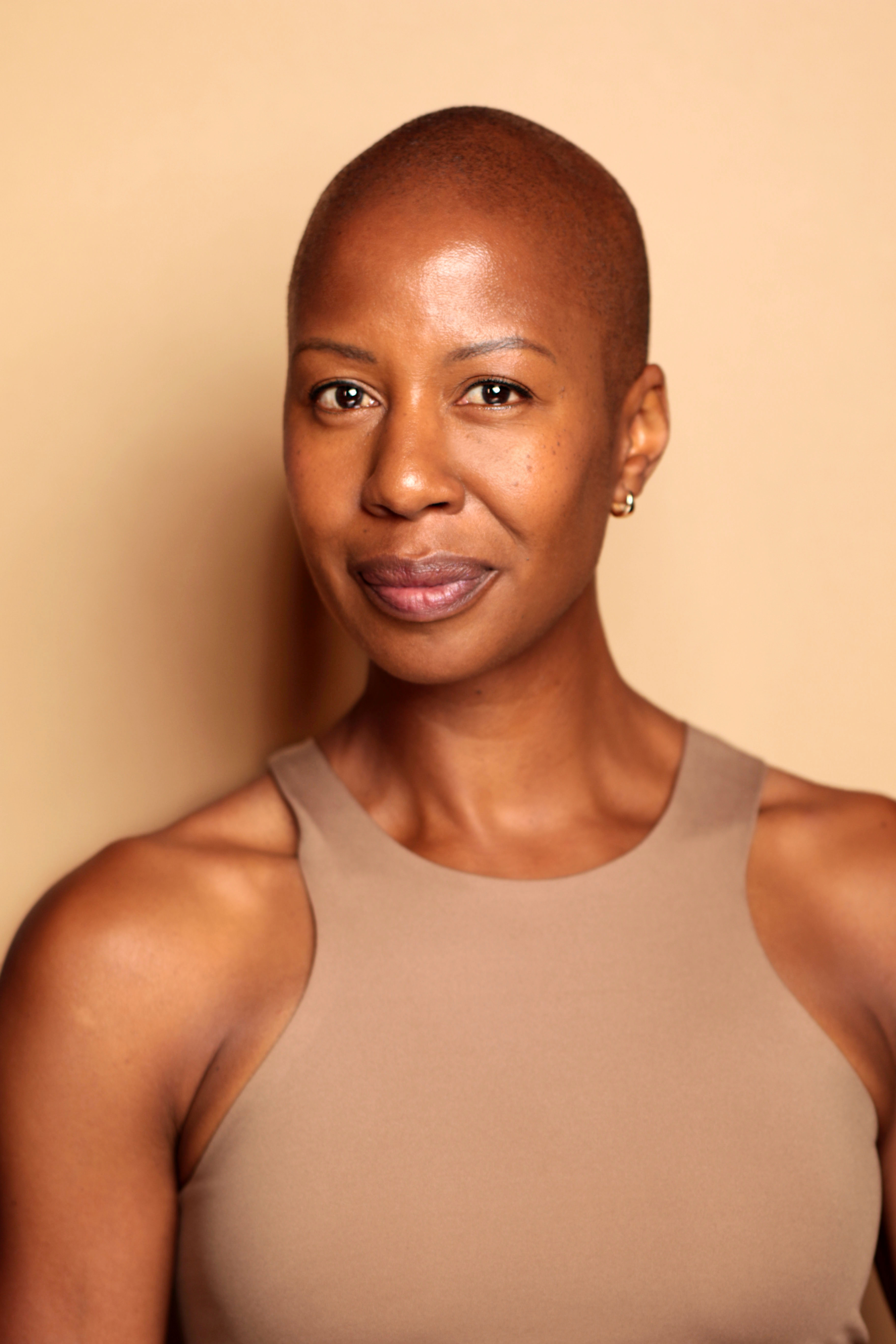
Written by Syreeta Fonso, Sport & Human Performance Practitioner, MSc Sports Psychology.
Retiring from sport because of injury can feel different from other forms of athlete retirement.
You may not have chosen the timing. You may not have been able to finish the season, reach the goal you had set or leave the sport in the way you imagined. Instead of preparing for a next chapter, you may have been managing pain, treatment, rehabilitation, selection decisions and questions about whether your body would ever allow you to return.

When retirement becomes the outcome, the loss can feel sudden even if the injury itself developed over months or years.
You may feel grief, anger, relief, fear or numbness. You may feel all of these at different times, or several in the same day. None of those responses means you are handling the transition badly.
A career-ending injury can change your body, routine, identity, relationships and plans at the same time. The psychological transition deserves attention alongside the physical one.
If you are trying to understand the wider experience of leaving elite or professional sport, you may also find Life After Elite Sport: Why Retirement Can Feel Like Losing Yourself helpful.
When retirement is not your decision
Planned retirement can be difficult. Forced retirement can add another layer: the feeling that something has been taken from you before you were ready to let it go.
There may be unfinished goals, unanswered questions or a sense that your sporting story ended in the middle of a sentence. You may still think about the competition you did not finish, the selection you did not receive or the version of your future that no longer seems possible.
This can make it harder to describe what has happened. Other people may say that you should be grateful for your career or focus on recovery. They may not understand that you are grieving not only what you did, but what you expected to do next.
It is possible to feel grateful for your sporting life and angry about how it ended. It is possible to understand that retirement is necessary and still wish the decision had belonged to you.
Physical recovery and psychological adjustment are not the same thing
Medical treatment and rehabilitation may help you understand what has happened physically.
They do not automatically resolve the psychological meaning of the injury.
Your body may improve while your confidence, identity or sense of direction remains unsettled. You may be medically cleared for certain activities but still feel disconnected from the body that once supported your sporting life. You may continue to train because movement has always been part of how you cope, while also feeling frustrated that training no longer has the same purpose.
This is not a criticism of physical rehabilitation. It is a reminder that recovery has more than one dimension.
Psychological adjustment may involve learning to live with changes in capability, accepting uncertainty, processing the loss of a role and developing a relationship with movement that is not based entirely on performance.
Why injury can affect identity so deeply
For an elite or professional athlete, the body is not separate from identity. It may be central to your work, income, status, relationships and sense of competence.
An injury can therefore create questions that reach beyond sport:
Who am I if I cannot do what I trained to do?
How will other people see me now?
What can I trust my body to do?
What happens to the future I was building?
These questions do not mean that your identity was too narrow or that you made a mistake by caring deeply about sport. They reflect how much of your life may have been organised around the athlete role.
In Athletic Identity After Retirement, I explore how athletes can widen their sense of self without dismissing the identity and experience sport gave them. That work is particularly relevant when injury has made the transition feel abrupt or imposed.
Give yourself permission to name the loss
When retirement follows injury, athletes are often encouraged to move quickly towards a new plan. Planning can help, but it should not require you to pretend that nothing significant has ended.
You may be grieving competition, teammates, travel, recognition, income, routine, physical confidence or the future you expected. You may also be grieving the version of yourself who believed a particular sporting ambition was still possible.
Naming the loss does not mean becoming stuck in it. It gives you a more honest starting point.
You might ask yourself: what exactly has ended, what feels unfinished and what do I wish other people understood about this transition?
The answers may change over time. That is normal. A career-ending injury can reveal different losses at different stages of recovery.
Begin with what is still possible
After an involuntary retirement, the future can feel like a choice between returning to the old life or abandoning everything connected to sport. There is usually more space between those two extremes.
You may not be able to continue competing in the same way, but parts of your experience may still matter. You might remain connected to sport through coaching, mentoring, education, advocacy, media or performance support. You might decide that you need distance from sport before considering any of those routes. You might discover that your next direction has very little to do with sport at all.
There is no obligation to turn your injury into a positive story immediately. The next step is not to prove that something better was waiting to happen. It is to explore what is possible now, with the information and capacity you actually have.
A small experiment can be more useful than a large declaration. A conversation, short course, project or period of volunteering may help you learn what fits without asking you to commit to a complete new identity.
For a practical framework for taking an early step, read What to Do After Retiring From Sport.
If the hardest question is not what has ended but how to decide what comes next, Why Athletes Struggle With What Comes Next After Retirement offers a broader perspective on uncertainty and direction.
Rebuild your relationship with structure
Injury can remove more than competition. It can disrupt the rhythm that held your week together.
Appointments, rehabilitation and uncertainty may have replaced training, travel and performance goals. Once the immediate medical demands reduce, the day can feel strangely empty.
Structure can help, but it should not become another way to judge yourself. A useful rhythm might include recovery, movement that feels appropriate, time with people who support you, practical exploration and activities that are not measured by outcome.
The purpose is not to recreate your old training life. It is to create enough steadiness to make decisions without every day being organised around what you can no longer do.
Make room for culture, belonging and the wider social world
The meaning of retirement is shaped by more than the individual athlete.
For Black and racially minoritised athletes, injury-forced retirement may involve questions about representation, family expectations, financial responsibility, belonging and whether future environments will recognise the whole person rather than only the sporting role.
There is no single experience of this. Race, culture, class, gender, disability, sexuality, nationality, family history and the specific sport all matter.
Culturally responsive support does not assume that every athlete needs the same intervention. It asks what the athlete’s social world looks like, what the loss means within that world and which forms of support feel safe, relevant and respectful.
When should you seek support?
You do not need to wait until the situation becomes a crisis.
Consider seeking support if grief, anger, anxiety, isolation, low mood, sleep disruption or harmful coping strategies are persistent or begin to affect daily life. Support may also be useful if you appear to be coping but feel unable to imagine a future beyond the injury.
A sport and human performance practitioner can help you explore identity, structure, purpose and realistic next steps. A suitably qualified mental-health professional or medical practitioner should be involved when symptoms are significant, persistent or creating risk.
The Black Body Hub’s Full Stride programme is designed for athletes navigating the transition out of elite or professional sport. You can also get in touch about your situation.
Your sporting life is not reduced to how it ended
An injury may have changed the way your sporting career finished. It does not erase what the career meant or what you developed through it.
You can acknowledge the loss without making the injury the only story you tell about yourself. You can carry forward relationships, values, knowledge and capability while allowing your identity to become wider than competition.
A meaningful next chapter does not have to make the ending feel fair. It does not require you to be grateful for the injury. It begins with recognising what has happened, receiving the right support and taking one realistic step towards a life that fits now.
This article is for education and reflection. It is not a diagnosis or a substitute for medical or mental-health care. If you are in immediate danger or experiencing a mental-health crisis, contact emergency services or an appropriate crisis service in your area.
Frequently asked questions
What is forced retirement from sport?
Forced retirement from sport is when an athlete has to leave competition because of circumstances they did not freely choose, such as a career-ending injury, illness, deselection, funding changes or other external factors.
Why is retiring from sport because of injury so difficult?
An injury can affect the body, identity, routine, relationships, income and future plans at the same time. When the decision is not yours, the transition may also involve anger, unfinished goals and a sense of lost control.
How do I cope with a career-ending injury?
Start by acknowledging what has changed rather than rushing to replace it. Physical rehabilitation, emotional support, practical planning and gradual exploration of new roles may all have a place. The right combination depends on your circumstances.
Can I still be an athlete after retiring because of injury?
Yes. You may continue to identify as an athlete while also developing other roles and sources of meaning. You do not have to choose between keeping your sporting identity and building a wider one.
When should I seek support after an injury ends my career?
Consider seeking support when grief, anger, anxiety, isolation, low mood, sleep problems, harmful coping or difficulty imagining a future persist or affect daily life. Early support can be useful even when you are not in crisis.


Comments