
Athletic Identity After Retirement: Who Am I Without Sport?
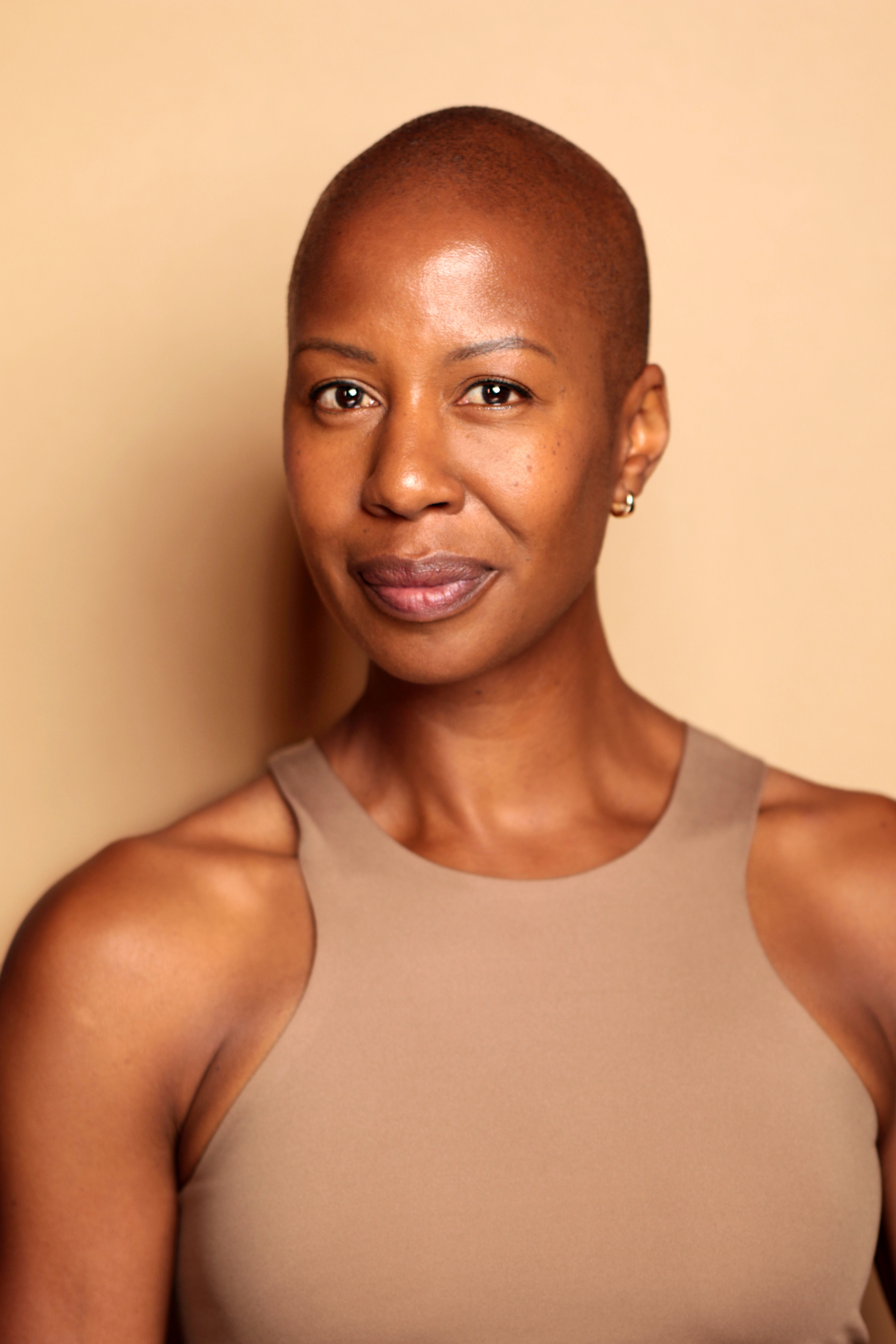
Written by Syreeta Fonso, Sport & Human Performance Practitioner and MSc Sports Psychology candidate.
Life after elite sport can bring identity loss, anxiety and uncertainty. Learn why transition feels difficult and where to begin rebuilding what comes next.
Feel Like Losing Yourself
Life after elite sport is often described as an exciting new chapter. It can be that. It can also feel disorientating, emotionally flat or surprisingly frightening.
For athletes who have spent years training, competing, travelling and living inside a high-performance system, retirement is not simply the point at which sport stops. It can change the structure of the day, the people around you, the way your body feels, the way other people see you and the answer you give when someone asks, “What do you do?”
That is why the question of what comes next can feel much bigger than a career decision.
Retirement from sport is a transition, not a single event
Some athletes retire after a period of planning. Others leave because of injury, deselection, age, funding changes, illness or circumstances outside their control.
Even when retirement is wanted, the transition may involve a mixture of relief, sadness, pride, anger and uncertainty. Research on retirement from elite sport has highlighted several changes that athletes may need to navigate at the same time, including identity, routine, work, relationships, physical health, social connection and mental health.
The transition is also shaped by how voluntary it feels, how prepared the athlete is and what support remains available after leaving the performance system.
This matters because a person can be grateful for their sporting career and still experience loss.
The two things are not contradictory.
You can be proud of what sport gave you and still miss the life you had inside it. You can be relieved that the pressure has ended and still feel unsettled by the quiet. You can know that leaving was the right decision and still not feel ready for what follows.
Why identity can feel unstable after sport
Elite sport often gives life a powerful organising structure. There are training times, selection goals, performance feedback, teammates, coaches, travel, competition and a clear sense of what effort is for.
It also gives an identity that other people recognise. “I am a professional footballer” or “I am an international athlete” communicates achievement, belonging and status in a single sentence.
When that identity is no longer available in the same way, the problem is not that you have become less valuable. The problem is that a large part of the structure through which you understood yourself has changed.
Athletic identity can be a source of confidence, discipline and connection. It can also become narrow when most of a person’s time, relationships and self-evaluation sit inside sport.
Research has linked a highly exclusive athletic identity with greater adjustment difficulty after retirement, although this does not mean that strong athletic identity causes poor mental health in every case.
The useful question is not:
How do I get rid of my athlete identity?
It is:
Which parts of the athlete I have been do I want to carry forward, and which parts no longer need to organise my whole life?
A transition is not an instruction to reject your past. It is an opportunity to decide how your past will relate to your future.
Why “what next?” can feel like anxiety
The transition out of elite sport can remove certainty before a new direction has had time to form.
You may know that you cannot, or do not want to, continue in the same way. You may not yet know whether you want coaching, business, study, media, family life, further competition or something that has no obvious connection to sport.
That gap can create pressure to make a perfect decision quickly. It can also make ordinary uncertainty feel like evidence that you are failing.
Sometimes the anxiety is about work. Sometimes it is about time, money, relevance, social status or the fear that no future achievement will feel as meaningful.
Sometimes it is about the body: the loss of training intensity, the change in physical capability or uncertainty about how to exercise without a performance target.
A transition plan does not remove uncertainty. It creates enough structure for uncertainty to be explored without taking over.
A practical starting point for life after elite sport
1. Name what has ended
Before planning the future, make space to describe what has changed.
This may include the end of competition, the loss of a team, a daily routine, a role, an income, a public identity or a particular relationship with your body.
If the retirement was forced, there may also be anger, disappointment or unfinished business. You may be grieving something that other people do not recognise as a loss.
Naming the loss is not dwelling on the past. It gives the transition a more accurate starting point.
Try completing these sentences:
• The part of sport I miss most is…
• The change I was least prepared for is…
• The thing people around me do not understand is…
• The part of my sporting life I want to keep is…
• The part I am ready to release is…
You do not need to answer them perfectly. The purpose is to make the transition more visible.
2. Separate the sport from what sport gave you
Sport may have provided more than performance. It may have given you:
• structure;
• close relationships;
• challenge;
• competence;
• travel;
• contribution;
• status;
• financial security;
• physical confidence;
• belonging;
• a way to regulate emotion.
The next chapter may not reproduce all of these in one place. It can still be designed to include several of them.
For example, someone who misses the structure of training may not need to find another elite sport. They may need a regular commitment, a clear weekly rhythm and a community where effort is shared.
Someone who misses competition may need challenge, feedback or a meaningful goal. Someone who misses belonging may need to build relationships in an environment where they are known for more than what they used to achieve.
The question becomes:
What need was sport meeting, and where else might that need be met now?
3. Keep structure, but change its purpose
Many retired athletes are told to “relax” when what they are actually missing is a workable rhythm.
Structure does not have to mean recreating a professional training schedule. It might mean regular sleep, planned movement, time for learning, work blocks, social commitments and a weekly activity that gives the body a meaningful challenge.
The aim is not to remain permanently in performance mode. It is to create enough stability to make decisions from a calmer place.
A useful weekly structure might include:
• one or two regular movement sessions;
• protected time for career or study exploration;
• planned contact with people who matter to you;
• one activity that is enjoyable without needing to be productive;
• a realistic sleep and recovery rhythm;
• a short weekly review of what is helping and what is draining you.
The structure should support your life, not become another system you have to perform perfectly.
4. Explore before you commit
The first post-sport decision does not have to be the final career.
A short course, mentoring conversation, shadowing opportunity, volunteering role or small project can provide more information than weeks of trying to think your way into certainty.
Treat early choices as experiments that generate evidence about what interests you, what fits your life and what you want to learn next.
The skills developed in sport may transfer into many settings, including communication, preparation, leadership, decision-making, persistence, teamwork and responding under pressure.
They still need to be translated into language that makes sense outside sport.
Instead of saying, “I was a high-level athlete,” you might describe the capabilities behind that experience:
• performing consistently under pressure;
• preparing for high-stakes environments;
• responding constructively to feedback;
• working across different personalities;
• managing setbacks;
• sustaining effort over a long period;
• making decisions with incomplete information.
You do not need to turn every sporting experience into a business lesson. You do need language that helps other people understand what you can contribute now.
5. Rebuild connection deliberately
Retirement can change who you see every day. The loss of teammates and shared routines may
be as significant as the loss of competition.
It is worth asking where connection will come from next. This might include former teammates, family, new communities, education, work, coaching, volunteering or a different physical activity.
For Black and racially minoritised athletes, belonging may also need to be considered in relation to culture, race, representation and whether new environments feel psychologically safe.
There is no single experience of this, and no one explanation applies to every athlete. However, culturally responsive support makes room for the athlete’s actual social world rather than assuming that a generic network will be enough.
You may want to consider:
• Where do I feel most understood?
• Which environments allow me to be fully myself?
• Where have I experienced belonging through sport?
• What kinds of community do I want to build now?
• Are there spaces I am avoiding because I expect not to be understood?
Rebuilding connection is not about replacing your old team immediately. It is about gradually creating a life in which you do not have to carry the transition alone.
6. Seek support before the situation becomes a crisis
Support is not only for athletes who are already in severe distress.
It can be useful when you are beginning to notice persistent anxiety, loss of motivation, isolation, sleep disruption, low mood, conflict, harmful coping strategies or an inability to imagine a future.
Career support, financial advice, medical review and psychological support may all have a place.
The right combination depends on the athlete and the circumstances.
A sport and human performance practitioner can help you make sense of identity, routine, purpose and decision-making. Where symptoms are significant or risk is present, a suitably qualified mental-health professional or medical practitioner should be involved.
If you are worried about your immediate safety or are experiencing a mental-health crisis, contact emergency services or an appropriate crisis service in your area.
You do not need to erase your sporting past
A successful transition does not require you to become a completely different person.
It may involve a wider identity in which sport remains important without being the only source of meaning.
You can still be an athlete, even if you are no longer competing professionally. You can also be a partner, parent, friend, student, entrepreneur, coach, artist, advocate, colleague or something that has not yet been named.
The aim is not to replace one narrow identity with another. It is to create enough space for more of you to exist.
If you are finding life after elite sport difficult, you do not have to wait until you have a complete answer to “what next?”
Support can begin with understanding what has changed, what matters now and what kind of next step would feel both realistic and meaningful.
The Black Body Hub’s Full Stride programme is designed for athletes navigating this transition with structure, reflection and practical support. You can learn more about Full Stride or get in touch to discuss whether it is the right fit.
This article is for education and reflection. It is not a diagnosis or a substitute for medical or mental-health care. If you are in immediate danger or experiencing a mental-health crisis, contact emergency services or an appropriate crisis service in your area.
FAQs
What is life after elite sport like?
Life after elite sport varies. Some athletes experience relief and freedom, while others experience grief, identity loss, anxiety or uncertainty. Often, several responses exist at the same time.
Why do athletes struggle after retirement?
Retirement can change an athlete’s identity, routine, social network, physical activity, work and sense of purpose. Adjustment is often harder when retirement is forced or when most of a person’s identity has been built around sport.
How do I find my identity after sport?
Start by identifying what sport gave you, including structure, belonging, challenge and contribution. Then explore ways to carry those needs into other roles and environments without expecting one immediate decision to solve everything.
When should a retired athlete seek support?
Consider seeking support when low mood, anxiety, isolation, sleep problems, harmful coping or loss of direction persist or begin to affect relationships, work or daily life. Early support can be useful even when the situation is not a crisis.
What if I did not choose to retire from sport?
Forced retirement can bring anger, grief and a sense that the story ended before you were ready. It may help to separate what happened from what it means about your worth, then seek support to process the loss and identify realistic next steps.
Comments