
Black Athletes After Elite Sport: What Transition Support Often Misses
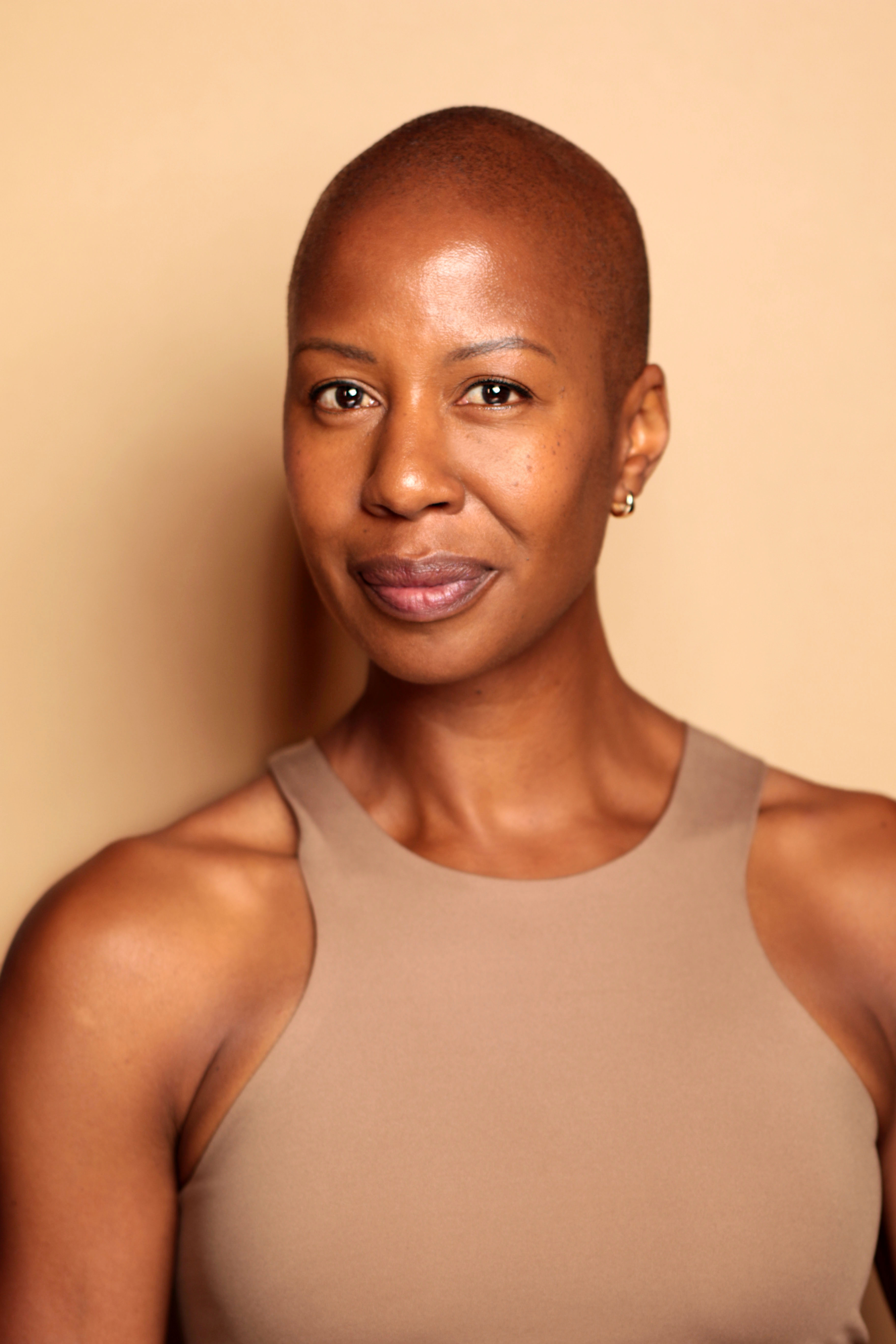
Written by Syreeta Fonso, Sport & Human Performance Practitioner, MSc Sports Psychology.
Leaving elite or professional sport can change your identity, routine, relationships, work and sense of direction.
For Black athletes, the transition may also bring questions about representation, belonging, financial responsibility, family expectations and whether the environments around you recognise the whole of your experience.
That does not mean Black athletes share one story. They do not.

Race, culture, class, nationality, gender, disability, sexuality, family history, sport, faith and access to support can all shape the way an athlete experiences both sport and life after sport. A useful approach cannot assume that one model will fit everyone.
It can, however, recognise that a transition model presented as neutral may leave important parts of an athlete’s world unexamined.
Culturally responsive support begins with curiosity rather than assumptions. It asks what has changed, what matters now and what the athlete needs in order to feel understood, supported and able to make meaningful choices.
If you are navigating the wider psychological transition out of sport, Life After Elite Sport: Why Retirement Can Feel Like Losing Yourself explores how identity, structure, purpose and belonging can shift after retirement.
Why a generic transition model may not be enough
Many athlete-transition conversations focus on familiar themes: rebuilding routine, finding a new career, maintaining relationships and developing an identity beyond sport.
These themes matter. They are not always sufficient on their own.
A generic model can imply that the athlete is moving through an individual process, separate from the social conditions around them. It may ask whether the athlete has prepared for retirement without asking whether they have had equal access to preparation, sponsorship, education, networks or psychologically safe support.
It may encourage the athlete to “be themselves” in a new workplace without considering whether their natural communication style, hair, accent, cultural references or boundaries will be interpreted fairly.
It may talk about belonging as though it is only a personal feeling rather than something shaped by representation, power, organisational culture and the experience of being recognised.
Culturally responsive support does not replace the common transition themes. It makes the context around them visible.
The athlete identity can carry more than performance
Sport can be an important source of pride and identity for any athlete. For some Black athletes, representation may also have a particular significance.
You may have been aware of the meaning attached to being one of few Black athletes in a team, programme, pathway or leadership environment. You may have felt responsibility to represent your family or community. You may have become a visible example for younger athletes who did not often see themselves reflected in the spaces you entered.
Those experiences can be affirming, tiring, complicated or all three.
When sport ends, the loss may therefore involve more than competition and routine. It may include the loss of a platform, a community, a role model position or a sense that your presence was carrying meaning for others.
This does not mean that every Black athlete experiences representation in the same way. It means that support should leave room for the athlete to decide what their sporting role has meant, rather than assuming that identity is only about performance.
For a deeper exploration of identity change after sport, read Athletic Identity After Retirement.
Belonging can change when the team disappears
The sporting environment may have offered friendship, shared language and a sense of being understood. Retirement can alter those connections quickly.
For Black athletes, the change may also raise questions about where they feel culturally understood outside sport. A new workplace, study environment or professional network may offer opportunity while still feeling unfamiliar or isolating.
You may be asking:
• Will I be understood here?
• Do I have to explain parts of my experience before I can contribute?
• Can I show up fully without becoming a representative for everyone who looks like me?
• Are there people in this environment who can support me without requiring me to minimise myself?
These are not signs that you are unwilling to adapt. They are reasonable questions about psychological safety and fit.
A transition plan should consider not only what the athlete wants to do next, but also the conditions in which they are likely to feel able to develop. Belonging is not an extra benefit added after the career decision. It can influence whether a decision is sustainable.
Family, community and financial responsibility matter
Athlete-transition advice often assumes that the individual can make a decision based mainly on personal preference.
Real life is rarely that simple.
You may have family members who depend on you financially. You may feel pressure to choose secure work rather than explore an uncertain direction. Your sporting success may have changed what others expect from you, or you may be trying to support relatives while adjusting to a major personal transition yourself.
You may also feel responsible for being an example to younger people in your community. That responsibility can be meaningful, but it can also make it harder to admit uncertainty or ask for help.
A culturally responsive conversation does not treat family and community commitments as obstacles to individual fulfilment. It explores how they fit into the athlete’s actual values, responsibilities and available choices.
There may not be one decision that satisfies every expectation. The aim is to make the pressures visible enough to work with them honestly.
Representation affects how a new chapter feels
Some athletes leave sport with a clear wish to remain connected to performance, coaching, media, education or advocacy. Others want distance from the systems that shaped their athletic life.
For Black athletes, representation may be part of this decision.
You may want to work in a setting where your presence expands what others imagine is possible.
You may want to support younger athletes who are navigating experiences you recognise. You may also be tired of being asked to educate others, speak for a group or carry the emotional labour of improving an organisation.
Both the desire to contribute and the desire to step away can be valid.
Your next role does not have to prove your commitment to your community. It also does not have to erase that connection. The important question is whether the direction reflects your capacity, values and wellbeing rather than only the expectations placed on you.
What culturally responsive support looks like
Culturally responsive support is not a script for what every Black athlete should discuss. It is a way of working that remains attentive to context.
It may involve asking how race and representation have shaped the athlete’s sporting experience, while accepting that the athlete may not want to centre those themes in every conversation. It may involve exploring whether a new environment feels safe, whether the athlete has access to people who understand their background and whether past experiences of bias are affecting current decisions.
It also requires the practitioner to examine their own assumptions. A support relationship should not place the burden on the athlete to provide an education before they can receive useful help.
The athlete remains the expert on their life. Cultural responsiveness means making space for the meanings they attach to identity, community and belonging, and recognising that those meanings may change over time.
Your next step can include sport — or a clear boundary from it
Some Black athletes want to continue through coaching, mentoring, community work, performance support or advocacy. Their sporting experience may give them insight they want to share.
Others may want to explore a new field without being introduced through sport. They may want to discover who they are in a setting where nobody already has a fixed picture of them.
Neither path is more authentic.
Your sporting experience can inform what you choose without controlling it. If you do want to translate your experience into a new career, Transferable Skills From Elite Sport explores how to explain your capabilities without reducing yourself to words such as “discipline” or “resilience”.
If you need a practical place to begin, What to Do After Retiring From Sport offers a starting framework for structure, connection and exploration.
Support should make room for the whole transition
You do not need to wait until you have a clear career plan before seeking support.
A practitioner can help you think through identity, belonging, expectations, confidence, decision-making and the conditions you need in order to take your next step. The work should not require you to choose between your personal goals and the communities or responsibilities that matter to you.
Support may be particularly useful if you feel isolated, unable to explain what has changed, pressured to appear strong or uncertain about whether a new environment will be a good fit.
If transition difficulties are accompanied by persistent low mood, anxiety, sleep disruption, harmful coping, hopelessness or significant impairment in daily life, involve an appropriately qualified mental-health professional or medical practitioner.
The Black Body Hub’s Full Stride programme offers structured support for athletes exploring identity, purpose, routine and realistic next steps beyond elite or professional sport. You can also get in touch about your situation.
You do not have to represent everyone
One of the pressures that can follow a visible sporting career is the feeling that your next decision carries meaning beyond your own life.
You may want to create opportunities for others. You may want to be an example. You may want to change systems that did not support you well.
You are also allowed to rest.
You are allowed to make a decision because it fits your life, not because it sends the right message. You are allowed to continue contributing without becoming responsible for solving every problem. You are allowed to build a future in which your identity is respected without needing to be constantly explained.
A meaningful transition does not require you to become less connected to where you come from. It also does not require you to turn every part of that connection into public work.
The next chapter can make room for ambition, community, rest, uncertainty and choice.
This article is for education and reflection. It is not a diagnosis or a substitute for medical or mental-health care. If you are in immediate danger or experiencing a mental-health crisis, contact emergency services or an appropriate crisis service in your area.
Frequently asked questions
Why can athlete retirement feel different for Black athletes?
Black athletes do not share one experience of retirement. However, transition may also involve questions about representation, belonging, family expectations, financial responsibility and whether new environments feel culturally safe. Support should make room for those factors without assuming they apply in the same way to everyone.
What is culturally responsive athlete-transition support?
Culturally responsive support pays attention to how race, culture, identity, power, belonging and social context may shape an athlete’s experience. It does not impose a fixed story. It asks respectful questions and allows the athlete to decide what is relevant to their transition.
How can Black athletes find belonging after elite sport?
Start by noticing where you feel understood, respected and able to contribute without minimising yourself. This may involve maintaining selected sporting relationships, building new communities, finding culturally affirming networks or seeking support that recognises your wider social context.
Do Black athletes need to stay connected to sport after retirement?
No. Some athletes find meaning in coaching, mentoring, advocacy or performance work. Others need distance from sport or choose a completely different direction. Remaining connected and stepping away can both be valid choices.
How can family and community expectations affect athlete transition?
Family and community responsibilities may influence financial decisions, career choices, visibility and the pace at which an athlete feels able to explore. A useful transition plan acknowledges these responsibilities rather than treating them as irrelevant to the individual’s wellbeing.
When should a Black athlete seek support after sport?
Consider seeking support when the transition feels persistently isolating, confusing or pressured, or when it is affecting daily life. If you are experiencing significant low mood, anxiety, sleep disruption, harmful coping or risk, involve an appropriately qualified mental-health professional or medical practitioner.


Comments