
10 Things Black Athletes Should Know Before Retiring From Sport
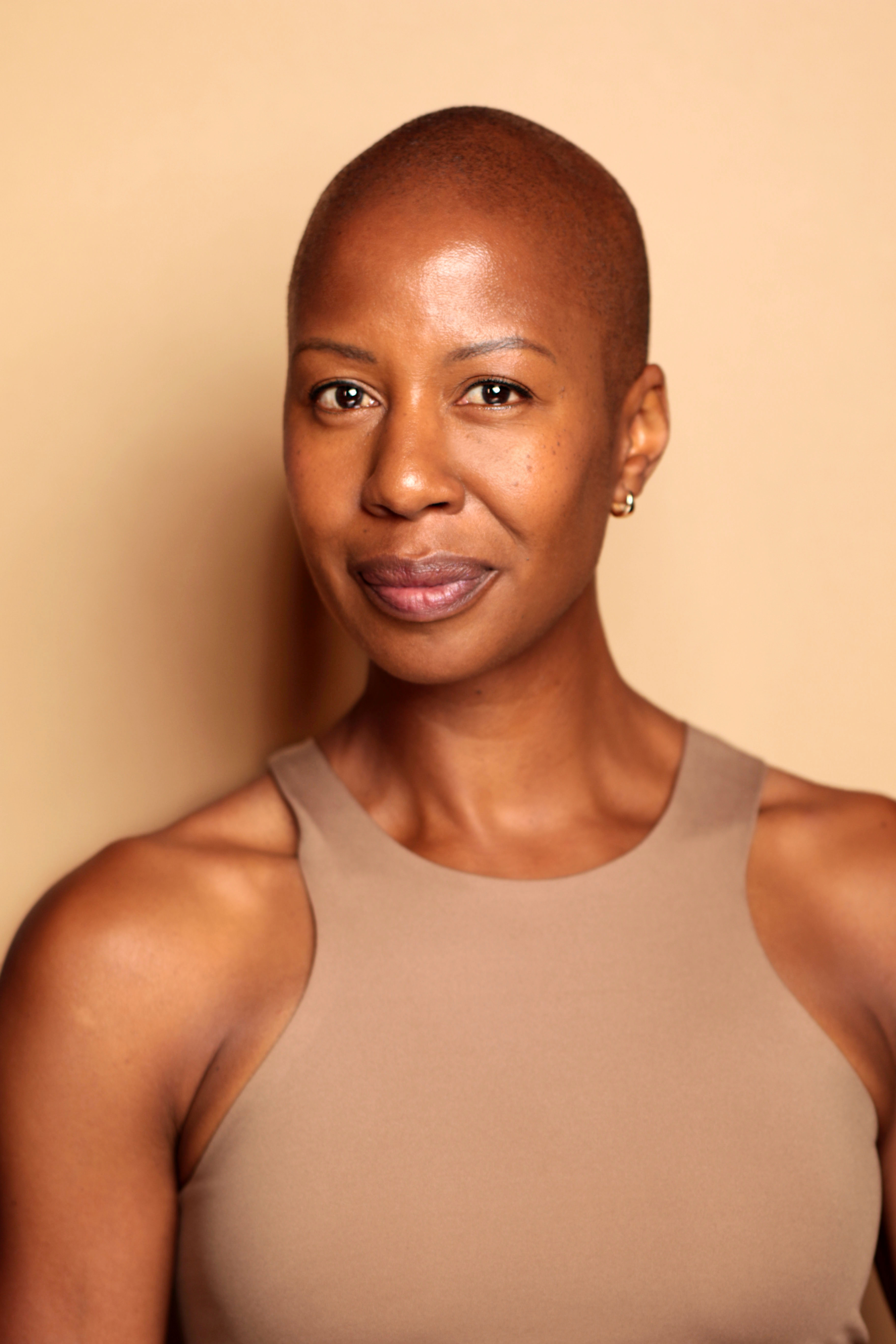
Written by Syreeta Fonso, Sport & Human Performance Practitioner, MSc Sports Psychology.
Retiring from sport is often described as a personal transition: the athlete stops competing, considers a new career and begins to build a life beyond performance.
For Black athletes, that description can leave out so much of what the experience actually holds.
I’m a Black athlete too, though not a professional one. I understand how sport can become part of identity, confidence, community and the way other people see us. I also know that being Black in sporting spaces can bring experiences that rarely make it into ordinary conversations about retirement.

Many Black athletes know the contradiction of being highly visible and still feeling unseen. For some, that means being one of very few Black people in a pathway, team, leadership group or support environment. It can also mean thinking carefully about how we are perceived. How we speak. How we wear our hair. Whether confidence will be read as arrogance. Whether one mistake will be treated as an individual moment or made to say something about people who look like us.
That isn’t everybody’s story. Some athletes compete alongside teammates from similar racial or cultural backgrounds. They may still find far less representation in leadership, medical, media or commercial spaces. Race can sit in the foreground in one club, country or stage of a career and feel less central in another.
Sport can also become a route to opportunity, financial security, family pride, community representation or a wider sense of possibility. That’s why retirement can involve far more than the end of competition. It can change how we think about responsibility, belonging, visibility and the future.
There isn’t one Black athlete retirement experience. Race meets culture, class, nationality, gender, sexuality, disability, faith, family history, sport and access to support differently for each person. These ten reflections aren’t a script for what the transition must mean. They’re a place to feel recognised and find language for what’s difficult to name. None of us should have to carry every part of this alone.
For some athletes, race sits at the centre of the transition. For others, injury, parenthood, gender, money, disability, migration, sexuality, faith or the circumstances of retirement feel more immediate. Good support doesn’t force race into every conversation. It makes room for race and culture when they matter.
For a longer exploration of this context, read Black Athletes After Elite Sport: What Transition Support Often Misses.
1. Retirement can bring more than one kind of grief
Retirement can bring grief for training, competition, teammates and the rhythm of the season. It can also bring grief for the status, visibility and sense of possibility that came with being an athlete.
Sporting success sometimes opens doors for a family. It can also give younger athletes a visible example of what is possible. Representing a community can feel like pride and connection. It can also become a responsibility that was never consciously chosen. Retirement can bring a question: what still feels meaningful to carry when the public role changes? And what is finally ready to be put down?
Those losses can sit alongside relief. Missing what sport made possible doesn’t mean wanting every part of it back. Pride, tiredness, gratitude and uncertainty often live together. Naming the full loss isn’t ingratitude. It’s an honest and compassionate place to begin.
2. The pressure to have an answer often arrives too soon
The question “What are you doing next?” sounds simple. But it can carry the hopes of everyone who invested pride, sacrifice or practical support in a sporting career.
Family members might be looking for reassurance about financial security. Younger people might still see a role model. People within sport often assume that coaching, mentoring or performance work is the natural next move. There can also be a strong expectation to appear resilient and grateful. That can be hard when the honest answer is, “I don’t know yet.”
“There’s a job in sport that never makes it onto the team sheet.” If you’re one of the only Black athletes in your squad, there can be an extra layer of checking. Am I coming across too loud? Too intense? If I look frustrated, will that be read as anger? If I have an off day, will it become “attitude”?
Everyone else might simply be training. Meanwhile, that extra tab stays open in the background. I’ve had it open myself, in more rooms than I can count.From the outside, this can look like someone who is quiet, careful or “hard to read”. Coaches and teammates might never see what the athlete is carrying. If that extra tab feels familiar, it’s real. And it isn’t yours alone.
Being treated as evidence of what’s possible can make uncertainty feel like a disappointment to more than one person. That isn’t ingratitude or a lack of ambition. Sometimes the decision is carrying more than one person’s hopes.
“I’m still working it out” is a complete and honest answer.
A first conversation, course, project or period of rest doesn’t need to become a permanent career. Exploration can come before explanation. Why Athletes Struggle With What Comes Next After Retirement looks at why direction can feel so difficult after a highly structured sporting life.
3. Athletic identity can hold pride, pressure and possibility
Athletic identity can bring confidence, community and public recognition. That recognition can also feel conditional on performance. A Black athlete can be celebrated for what their body achieves and still be misread, stereotyped or excluded from decisions about their own career.
Some know what it’s like to be praised for being “different” and still left out of decision-making. Some have been cast as physically strong, emotionally tough and endlessly resilient. Retirement can show how much belonging was tied to selection, results or usefulness to the system. Then comes a difficult question: where will that person be valued when performance is no longer the entry point?
Retirement can unsettle the identity that helped us navigate those environments. Deciding what to keep, what to put down and what to understand differently takes time. This isn’t about erasing the athlete. It’s about giving the rest of the person more room to come forward.
Athletic Identity After Retirement explores how a sense of self can widen without treating sporting identity as something that must be erased.
4. Staying in sport isn’t proof that the experience mattered
Coaching, mentoring, advocacy, media, education and performance support can all be meaningful ways to remain connected to sport. They can also bring former athletes back into systems that once felt rewarding and exhausting at the same time.
For some, helping younger Black athletes navigate familiar experiences feels deeply purposeful.
For others, explaining racism again or carrying more representation work feels exhausting. So does being asked to improve an organisation without enough power or support.
Being invited into a visible role isn’t the same as being given influence, resources or protection. A role framed around representation is worth looking at honestly. Does the organisation value the perspective being sought? Will it support the work? What authority comes with the role?
Leaving sport isn’t the same as abandoning the community. Staying isn’t the only way to honour what the journey has meant. The next role can reflect capacity, values and interests—not only what other people think an athlete’s story should be used for.
5. Family and community can be part of the decision
A career decision isn’t always experienced as an individual choice.
Family expectations take many forms. For one athlete, the concern is financial support for relatives. For another, it’s the weight of sacrifices made to help the career happen. It might be what sporting success has represented across generations or countries. Some families discuss major decisions collectively. Other relatives may be the ones encouraging rest, a change of direction or something more secure.
Being Black doesn’t automatically tell us what family responsibility looks like. But when it forms part of the transition, it deserves more than a generic instruction to “follow your passion”. Collective responsibility can express love, identity, history and purpose, as well as create pressure.
A supportive transition conversation makes room for personal hopes, other people’s needs and everything invested in the journey. It also asks what’s realistically sustainable. The aim isn’t to choose between family and self. It’s to work out which responsibilities are freely chosen, which expectations can be renegotiated and which pressures have become too heavy to carry alone.
6. An invitation into the room isn’t the same as belonging
Sporting achievements can open doors to workplaces, study environments and professional networks. They can’t guarantee a sense of belonging once inside.
Many Black athletes already know the quiet work of code-switching. It can mean adjusting language, tone, appearance or emotional expression to fit what feels acceptable in a particular environment. In sport, that might have helped with predominantly white teams, leadership structures, media spaces or sponsorship relationships. A new workplace can bring the tiring question of whether those adjustments will be needed again.
Questions begin to surface. Will a natural communication style be read fairly? Will Black hair or cultural expression be treated as professional? Will confidence celebrated in competition be interpreted differently outside it? Is there room to disagree, set boundaries or admit uncertainty without being pushed into a stereotype?
These aren’t signs of low confidence or poor adaptability. They’re sensible questions about whether a new space offers room to exhale, contribute and be known without constant self-editing.
A sustainable next step offers more than another place to perform. It offers a real chance to be respected, supported and able to grow without constant self-monitoring. Access to the room matters. Feeling at home there matters too.
7. Preparation helps, but it can’t remove the reality of the transition
Some athletes retire with a degree, a strong network, savings or a clear sense of the careers they want to explore. That preparation matters.
It still can’t predict exactly how the change will feel. Sporting achievement doesn’t always lead to equal access to informal networks, sponsorship relationships, senior advocates or second-career opportunities. Some employers celebrate the sporting story but struggle to imagine the same athlete in an analytical, strategic or leadership role.
A difficult transition isn’t evidence of poor preparation. Planning is only one part of the work. Grief needs time. Context matters. A new direction often becomes clearer through experience, not thought alone. Preparation is valuable, but it doesn’t create an obligation to rush.
8. Experience has value without becoming a performance for employers
Athletes are often encouraged to describe themselves through discipline, resilience and leadership. Those qualities matter. But translating every part of a sporting life into employability can become one more demand to prove worth.
Not every sacrifice, setback or experience of discrimination needs to become an inspiring lesson. Some experiences were simply difficult. Their complexity doesn’t need to be removed to make the past more comfortable or inspirational for an employer.
When people have focused mainly on physical performance, they can miss judgement, analysis, creativity, relationship-building and leadership. Black athletes have always been more than what our bodies can produce. The task isn’t to prove our humanity. It’s to find language and environments that recognise a fuller range of abilities.
Transferable Skills From Elite Sport offers a practical way to translate real experience into evidence without flattening identity or history.
9. Involuntary retirement can intensify the loss of control
When injury, deselection, illness, funding changes or another external decision ends a career, grief can arrive before there has been any time to prepare.
For some Black athletes, that loss of control sits alongside earlier experiences of not being believed or being judged differently. It may also follow years of working harder for the same recognition. Pain may have been minimised. Concerns may have been dismissed. Mental-health needs may have been misunderstood. Selection decisions may have been explained without transparency. This won’t reflect every story. Where it does, it can shape how safe post-retirement support feels.
A forced ending isn’t only a rehabilitation or career-planning issue.
Retiring From Sport Because of Injury explores the psychological impact of an ending that was not fully yours.
10. The right support understands the world around the athlete
Support can help before retirement, during the first months afterwards or later, when the impact becomes clearer.
Identity, belonging, family, visibility, financial pressure and expectation all belong in the conversation when they matter. Nobody should have to defend their relevance or fit their life into somebody else’s idea of the Black athlete experience. A good practitioner won’t assume that one Black athlete’s story represents another’s. They’ll stay curious and willing to understand the person in front of them.
Support should never turn a person into a case study or demand a polished performance of resilience. There must be room for uncertainty, anger, pride, tiredness, ambition, relief—or simply not having the words yet.
The Black Body Hub’s Full Stride programme offers warm, structured support for athletes navigating identity, belonging, purpose, routine and realistic next steps beyond elite or professional sport. Get in touch to start a conversation.
A final reminder
Retirement doesn’t need to look effortless or become an inspirational story for other people.
There’s room to be proud of what sport has given us and honest about what it has demanded. Connection to community doesn’t have to mean carrying responsibility for representing everyone. Financial stability, rest, a new field, a role within sport and a period of not knowing are all meaningful ways forward.
The next chapter isn’t another test of strength, gratitude or success.
It can be a life where more of the person becomes visible beyond performance. A life with support, honest choices and more room to breathe.
There’s life, purpose and possibility beyond the version of us that sport required. The whole path doesn’t need to be visible yet. Sometimes safety, support and enough curiosity for the next step are enough.
This article is for education and reflection. It isn’t a diagnosis or a substitute for medical or mental-health care. If you’re in immediate danger or experiencing a mental-health crisis, contact emergency services or an appropriate crisis service in your area.
Frequently asked questions
What should Black athletes know before retiring from sport?
Retirement can affect identity, visibility, belonging, family expectations, financial decisions and community responsibility, as well as competition. There isn’t one Black athlete experience. Useful preparation makes room for the individual story, the responsibilities being carried and the hopes attached to what comes next.
Why might retirement feel different for a Black athlete?
Some Black athletes have experienced conditional recognition, racialised scrutiny, code-switching or pressure connected to representation and family. These experiences aren’t universal, but when present, they can shape what is lost, which environments feel safe and what seems possible. Giving them language can make the transition feel less lonely.
Do Black athletes need to stay connected to sport after retirement?
No. Some athletes find meaning in coaching, mentoring, advocacy or performance work. Others need distance from sport or feel drawn towards something completely different. Remaining connected and stepping away can both be honest, meaningful choices.
What does culturally responsive support after sport look like?
It means making room for race, culture, identity, belonging, family, power and social context without imposing a fixed story. Race doesn’t have to dominate every conversation, but it can be discussed properly when it matters. The athlete should be able to arrive as a whole person without first having to educate the practitioner or defend the relevance of their experience.
How can I prepare for retirement if my family depends on me?
It helps to name the practical responsibilities, family sacrifices, collective expectations and personal needs involved. A realistic plan might include financial advice, honest conversations with trusted people and gradual exploration. Honouring the people who supported the journey and making room for an individual voice and future can both be part of the plan.
When should I seek help with retirement from sport?
Support can be useful when the transition feels persistently isolating, confusing or pressured, or when it begins to affect daily life. There’s no need to wait for a crisis. Significant low mood, anxiety, sleep disruption, harmful coping or risk require appropriately qualified mental-health or medical support.


Comments